The case about how skylights work in this way is not only about adding more light to a room. It is about how that room behaves through the day. Some spaces feel cold in the morning, stuffy after lunch or damp after daily use. A well planned skylight can help settle those issues when it is chosen for the room, not just for appearance.
Understanding the Link Between Skylights and Indoor Climate
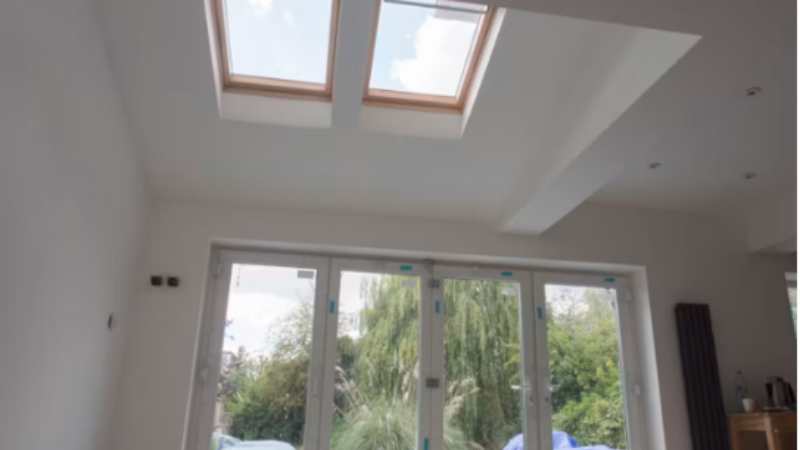
Indoor climate is usually noticed in small ways. A kitchen holds heat after cooking. A bathroom mirror stays misted for longer than it should. As well as how an attic-like room feels pleasant in spring but in contrast,it is the other way around during summer waves. For you see, the dullness showcases from the hallway even when the inner environment looks all lively and bright.
However, a vivid and pleasing change comes from a genuine skylight for the whole scenario. The light does not have to travel from one side of the room and fade before it reaches the middle. It falls into the space more evenly, catches the ceiling and can make the room feel less closed in.
That same roof position is also why the choice needs care. After all, due to how the direct contact with nature’s elemental factors like rain, the wind, the cold breeze and of course, the sun,it makes all the situation bearable in terms of unwanted temperature levels. Whether you want to feel the relaxing cool during summers or you want to feel that crispy warmth during winter, it just helps overall.
The starting point should be simple. What is the room struggling with now? Too little light? Stale air? Too much warmth in the afternoon? Once that is clear, the right choice becomes easier to judge. Hence, it is where decision making matters because the skylight should be a practical solution for real-world situations.
How Skylights Help Regulate Indoor Temperature Year-Round
When it comes to temperature control, that is where skylights can shine out for the owners. However, with poor management and planning beforehand, there is more harm than good or there’s less fruitful results. In fact, such poor planning shows itself in a fast manner.
As the chillier months turn for the yearly seasons, the natural sunlight can make the duller rooms easier to utilize, but there’s a situation that is quite overlooked. To define it, it will not replace heating, but a brighter space often feels less cold and more inviting during the day. That can matter in breakfast areas, home offices and landings that usually feel flat in winter.
Summer needs a little more thought. A skylight on a roof slope that gets strong afternoon sun can warm a room faster than expected. Loft rooms and kitchen extensions often feel this most, especially when they already have large glass doors or limited airflow.
The aim is not to avoid sunlight. It is to control it sensibly. Size, roof direction, glazing type and shading all make a difference.
Homeowners should think about:
- Where the strongest sun hits the roof
- Whether the room already gets too warm
- Where people sit, cook, sleep or work
- Whether blinds may be needed later
- How the room feels in different seasons
The Role of Skylight Glazing in Reducing Heat Loss and Gain
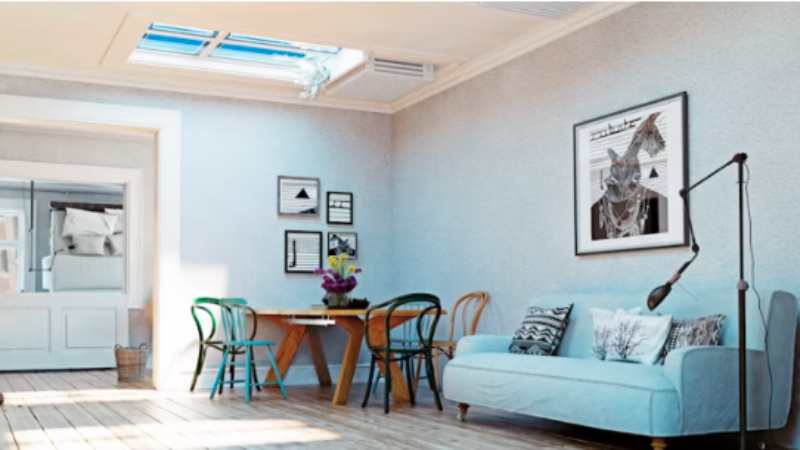
The case for glazing is convenient for some to perceive due to the tiny details. As well how it relates with the skylight fitting as most individuals just think of it as a clean sheet of glass overhead.
However, that particular glass has a lot to answer for. It can decide whether the room holds its warmth, whether the sunlight feels soft or harsh and whether damp starts showing around the colder parts of the opening.
Before anything is ordered, the glass spec deserves a proper look. A lower U value usually means less warmth slipping out when the weather turns cold. Low emissivity glass helps the room hold onto heat for longer, while solar control glass takes the edge off strong sun in lofts, kitchens and bright extensions that heat up quickly.
The edges matter too. Even strong glazing can perform poorly if the seals are weak or the upstand is not insulated well. Many comfort problems start around the opening rather than in the centre of the glass.
Homeowners do not need to know every technical phrase. They need clear answers before buying.
These can involve things like:
- Will the glass help the room stay warm?
- Will it manage a strong sun?
- Will it still feel comfortable once the space is used every day?
All in all, such questions sound basic but what many owners don’t expect is that they tend to prevent common regrets. For homeowners comparing Skylights by Rooflights & Skylights UK, the right choice is the one that feels good in daily use, not only on installation day.
How Ventilated Skylights Improve Air Circulation and Comfort
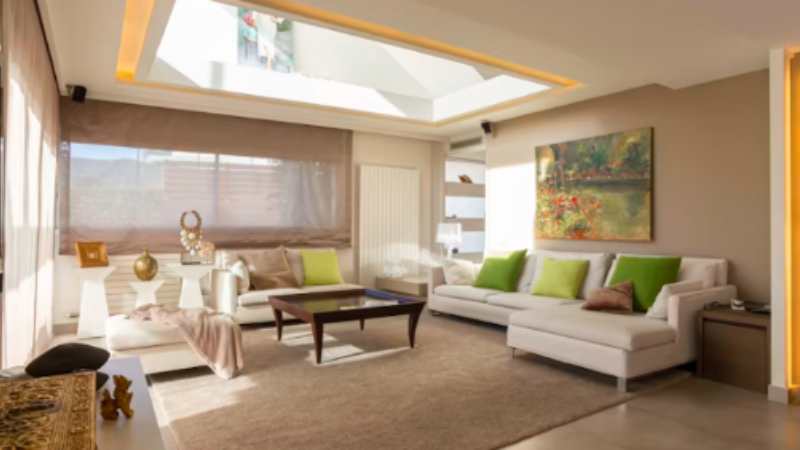
For one thing, some feel the discomfort due to the shading darkness as they feel the actual discomfort from the stillness of the air
What’s more, a kitchen can hold cooking heat and the bathroom can stay humid. In fact, it occurs even when the bathroom’s door is open. Now, a loft room can feel close by evening, especially after a warm day.
An opening skylight helps because warm air rises. When the unit opens, trapped heat, steam and stale air have a natural way out through the roof. If another window or vent sits lower in the room, fresh air can move through more easily.
That movement can make the space feel lighter and cleaner without making the home rely heavily on fans. It can also help moisture leave before it settles on colder surfaces.
Different rooms need different opening styles. A manual skylight can work where it is easy to reach. Electric opening suits high ceilings and loft spaces. Rain sensors are useful when the weather changes quickly. Trickle vents can help with gentle background airflow.
Ventilation is worth thinking about from the start, especially in rooms that already feel close or heavy. In those spaces, an opening skylight is not just a nice add-on but It can make the room breathe, clears the air faster and makes the space feel easier to use every day.
Reducing Energy Costs Through Better Climate Control with Skylights
A skylight will not cut energy bills by itself. That would be too simple. What it can do is support better control of light, warmth and airflow when the rest of the room is planned properly.
Natural light is the easiest benefit to notice. A kitchen, stairwell, landing or home office may need fewer lights switched on during the day. In a busy home, that small change can become part of normal daily use.
Heat performance matters more over time. A poorly chosen skylight can lose warmth and make heating work harder. A better specified unit, fitted properly, helps the room hold a more even feel. That can reduce the need for constant adjustments, whether that means extra heating, fans or opening windows at awkward times.
The best results usually come from several sensible choices working together. The right size. The right roof position. Good glazing. Proper sealing. Useful ventilation. Shading where the room needs it.
It is a bit like planning any bigger home change. Once the reason for the skylight is clear, the smaller choices start to make more sense. Size, glass, position and ventilation all become easier to judge.
A skylight should not give the room another problem to work around. After all, it’s purpose is to make the space feel:
- Lighter.
- Fresh.
- Simple & Adjustable to live.
Conclusion
Skylights can change more than the brightness of a room as they are made for the space in mind. As well as how they can make the whole area feel easier to live in. Not only that but the whole kitchen can feel less heavy after cooking. A loft can feel fresher at the end of the day. A hallway that once felt dull can start to feel more open and useful.